
The Power of Connection
Live social shopping is transforming how brands connect with their audiences. As consumers are increasingly seeking interactive experiences, businesses have realised the potential of merging entertainment with commerce. Live social shopping offers a dynamic platform for fostering genuine connections that translate into long-lasting brand loyalty.
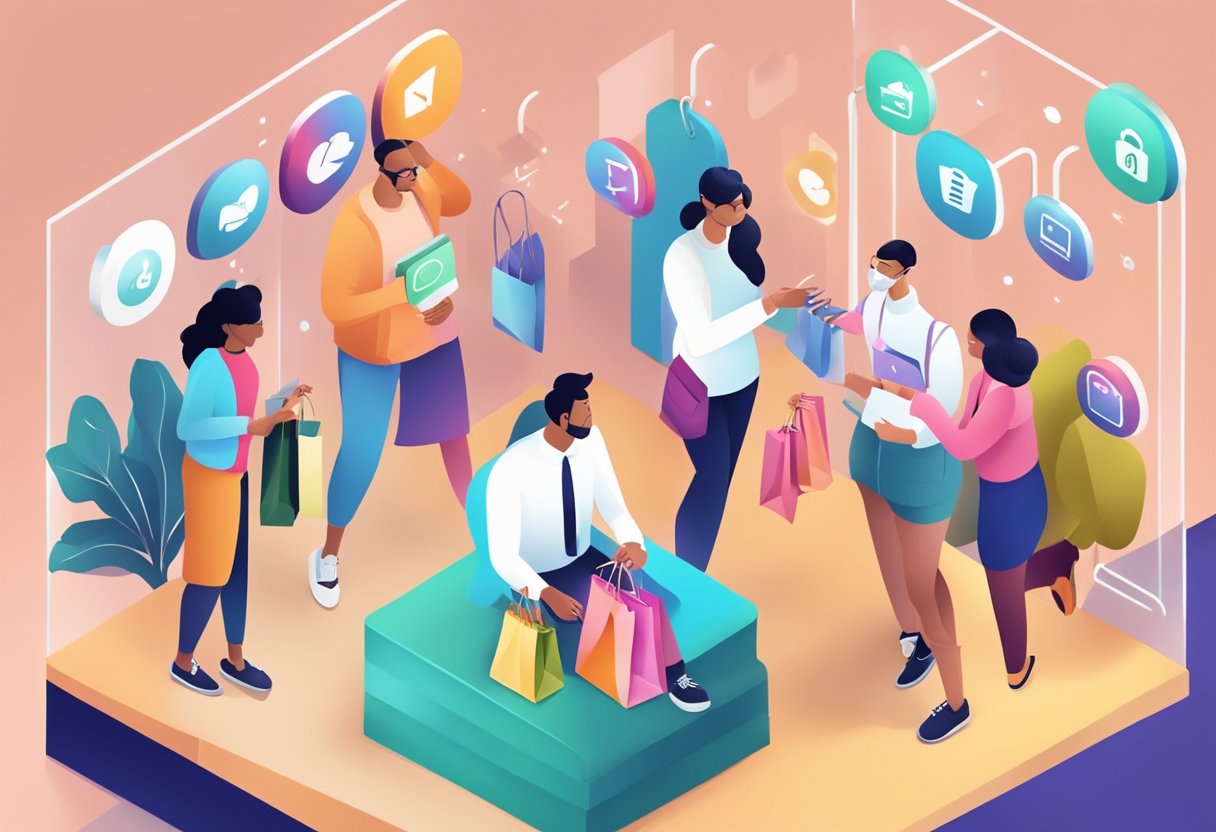
Through live interactions, shoppers can engage directly with brands in real-time, creating an authentic dialogue that builds trust. This immediacy and personal touch not only enhance customer engagement but also encourage spontaneous purchasing decisions. As a result, brands that embrace live social shopping are better positioned to convert viewers into loyal advocates.
Moreover, live social shopping allows brands to showcase products in a real-world context, helping consumers see the genuine value. This form of shopping is not just a trend but a strategic approach to nurturing authentic connections, which is essential for brand loyalty in today’s digital age.
Key Takeaways
- Live social shopping creates genuine brand-consumer connections.
- Trust and authenticity are crucial for building brand loyalty.
- Interactive shopping enhances consumer engagement and advocacy.
The Imperative of Brand Loyalty
Building brand loyalty is crucial for establishing a committed customer base and ensuring long-term success. It involves creating a strong emotional connection with your customers, which can lead to repeat purchases and greater customer lifetime value.
Conceptualising Brand Loyalty
Brand loyalty refers to a customer’s consistent preference for a specific brand over others. It is more than just repeated transactions; it’s about establishing a trust and bond with your audience. Loyal customers are less likely to switch to competitors, even in the face of a price change. This loyalty is often driven by customer satisfaction, positive experiences, and the perceived value of your products or services.
Understanding what drives loyalty is key. Factors such as product quality, consistency, and customer service play significant roles. When customers feel valued and understood, they are more likely to remain committed to your brand, strengthening their emotional connection and enhancing the brand’s value.
The Importance of Brand Loyalty
Investing in brand loyalty can significantly impact your business’s bottom line. Loyal customers tend to make more frequent purchases and often spend more per transaction. They also have a higher customer lifetime value, meaning they contribute more revenue over time compared to new customers.
Moreover, they are likely to recommend your brand to others, serving as brand ambassadors. This word-of-mouth marketing can be invaluable. Additionally, maintaining existing customers is typically less costly than acquiring new ones. Brand loyalty can also protect your business during tough economic times when attracting new customers might prove challenging.
Determining Loyalty Drivers
Identifying what drives loyalty for your brand is essential. Key drivers could include product quality, customer service, and personalisation. Creating a loyalty programme, like the successful Starbucks Rewards programme, can boost customer engagement significantly. Personalised offers and incentives keep your audience engaged and valued, amplifying their commitment to your brand.
Regular engagement through social media and targeted communication ensures that the emotional connection strengthens over time. These interactions offer a platform to gather feedback and implement changes that resonate with your customers’ needs and desires. Understanding these drivers allows you to craft strategies that foster lasting loyalty.
Live Social Shopping: Engaging the Modern Consumer
Live social shopping brings together the excitement of live events with the ease of online purchases. By combining social media and e-commerce, brands create unique experiences that boost customer interaction and brand loyalty.
Understanding Social Commerce
Social commerce turns social media platforms into bustling marketplaces. By integrating e-commerce features, platforms like Facebook and Twitter allow you to shop directly from your favourite social apps. This makes shopping more convenient, as you can browse and buy without leaving the app. Real-time engagement through comments and likes provides valuable social proof, enhancing your trust in products and sellers. With the rise of influencers, the power of recommendations amplifies, driving you towards particular brands and creating a community feel. This fusion of social interaction and shopping transforms how you connect with brands and fellow consumers.
Social Media Platforms as Marketplaces
Social media platforms have evolved into crucial marketplaces in the digital age. By offering a mix of products and services, they have become essential for brands looking to target a wide audience. Facebook leads the way by providing shops within its platform, making purchases seamless. Twitter, while more discussion-focused, still plays a crucial role in brand visibility and consumer interaction. User-generated content, such as reviews and photos, enriches these platforms. This content serves as authentic endorsements, encouraging you to engage and discover new products. The interactive nature of these platforms ensures that you stay engaged, leading to higher chances of impulse buys and brand loyalty.
Enhancing Engagement Through Interactivity
Interactivity is key to the success of live social shopping. This format allows you to engage directly with brands during live streams, asking questions and receiving immediate responses. Features like live chats and real-time polls create a sense of urgency and excitement, prompting quicker buying decisions. By personalising the shopping experience, brands can meet your specific needs, making you feel valued. This kind of engagement builds a strong connection between you and the brand, further driving loyalty. The mix of entertainment and shopping keeps the experience fresh and compelling, ensuring you return for future interactions.
Establishing Trust and Authenticity
Building brand loyalty through live social shopping relies on trust and authenticity. Being transparent and personalising messages strengthens connections with your audience. Listening to customer feedback allows brands to refine their approach and maintain genuine relationships.
Building Trust with Transparency
Being transparent with your practices is key to earning customer trust. Sharing behind-the-scenes content and providing honest product information helps create a trustworthy brand image. Customers appreciate when businesses openly communicate their core values and intentions. This transparency can be showcased through clear policies on returns, shipping, and pricing.
Consider making customer service interactions more visible by showing how you handle complaints. Engage on social media by responding to questions openly. Consistent, honest communication forms the foundation of loyalty and supports long-term relationships.
Authenticity in Marketing Messaging
Authentic marketing messages resonate well with customers. Rather than using generic advertising, personalise your approach. Share real stories about your brand’s journey, goals, and people. This authenticity sets you apart and makes your brand relatable.
Avoid exaggerated claims and focus on delivering what you promise. Use genuine images and stories from real customers to illustrate how your products fit in everyday life. Highlighting the experiences and feedback of actual users strengthens your message and builds a sense of community, encouraging others to share their positive experiences too.
Leveraging Customer Feedback
Customer feedback is invaluable for building trust and improving authenticity. Encouraging honest reviews and actively monitoring them allows you to understand what works well and where adjustments are needed. Displaying both positive and constructive reviews shows you value customer opinions.
Engage with your audience by asking for feedback during live shopping events. Incorporate their suggestions into your practices and marketing. Highlight customer testimonials in your promotions to enhance credibility. This proactive approach makes customers feel heard, which strengthens their engagement with your brand.
Building Connections and Advocacy
Building connections with your audience is essential for cultivating brand loyalty and advocacy. These relationships are strengthened through influencer marketing, fostering meaningful interactions, and nurturing brand advocates. Each aspect plays a unique role in enhancing brand presence and encouraging customer loyalty.
Effective Use of Influencer Marketing
Utilising influencer marketing can significantly boost your brand’s visibility. Influencers have built-in trust with their followers, making their recommendations impactful. When you partner with influencers whose values align with your brand, you form authentic connections with their audience. This strategy not only broadens your reach but also adds credibility.
It’s important to choose influencers who genuinely connect with your brand message. Their authenticity enhances the quality of their advocacy, engaging followers more deeply. Engaging influencers in product launches or special campaigns can amplify excitement and drive customer interest and loyalty.
Fostering Meaningful Relationships
Building a community around your brand requires meaningful engagement with your audience. Listen to their feedback and adjust your strategies to meet their needs. Open communication channels like social media or forums can enhance engagement. Respond to questions and comments to show that you value their input and care about their experience.
Developing loyalty programmes tailored to customer preferences can also strengthen these bonds. Offer exclusive deals or early access to new products. These programmes create a sense of belonging and reward ongoing engagement, solidifying customer loyalty over time.
Cultivating Brand Advocacy
Creating brand advocates involves nurturing relationships with customers who love your brand. These advocates are likely to promote your brand to friends and family without being prompted. Encourage customer testimonials and reviews to harness this enthusiasm. Personalised thank-you notes or exclusive offers can further enhance their loyalty.
Recognise and appreciate your advocates’ contributions. Publicly acknowledging them in your communications can bolster their sense of belonging and encourage continued advocacy. Such initiatives not only reward existing advocates but can also inspire other customers to become enthusiastic supporters of your brand.
Measuring Success in Live Social Shopping
Understanding how to measure success in live social shopping is crucial for enhancing brand loyalty. Engagement and conversion metrics provide insights into consumer behaviour, while ROI shows the financial benefits. Additionally, fostering long-term loyalty involves recognising the continuing value customers bring.
From Engagement to Conversion: Tracking Metrics
Engagement is the first step in successful live social shopping. You can track metrics such as comments, likes, and shares to gauge how well your audience is interacting. This helps in assessing initial interest and gathering useful customer feedback. Conversion metrics reveal how these engagements translate into sales.
Conversion rates indicate the percentage of engaged viewers who become paying customers. Analysing these rates shows not only successful interactions but also areas needing improvement. Understanding consumer behaviour helps refine marketing strategies for better results.
ROI and Customer Engagement
Return on Investment (ROI) assesses the financial success of your live social shopping efforts. Calculate ROI by comparing the revenue generated against the expenses of running these events. A positive ROI shows that your strategies are paying off.
High ROI often correlates with strong customer engagement. Maintain high engagement through interactive content to strengthen your brand’s impact. Additionally, engage in close customer service to address their queries, enhancing their loyalty to your brand. The combination of these aspects can significantly boost your brand’s presence and profitability.
Long-Term Value Creation
Creating long-term value is about fostering behavioural loyalty. This means engaging customers not just once, but repeatedly. Loyalty programmes, special discounts, or personalised recommendations can encourage ongoing involvement.
Valuable customers often contribute to sustained business growth. Keep track of their lifetime value to understand their impact. This involves measuring repeated purchases and continued engagement over time. Recognising and nurturing these relationships ensure that your brand remains relevant and valued in the customer’s eyes.
Frequently Asked Questions
Live social shopping is changing how brands connect with customers by enhancing engagement, influencing purchasing choices, and establishing strong bonds. By leveraging this digital strategy, brands can boost loyalty and monitor its impact effectively.
How can live social shopping enhance consumer engagement for brands?
Live social shopping allows brands to interact with customers in real time. This direct interaction keeps consumers engaged as they watch products being showcased live. It also provides an opportunity for immediate feedback and questions, making the shopping experience more interactive and personal.
What strategies are most effective in cultivating brand loyalty via social media platforms?
Building a loyal consumer base through social media requires authentic engagement. Focus on understanding the audience’s needs and preferences. Offering exclusive deals or content during live streams can also foster a sense of exclusivity and community among followers.
What role does customer interaction play in strengthening brand loyalty?
Customer interaction is crucial in developing trust and loyalty. When brands communicate directly with customers and respond to their needs, it strengthens the relationship. This connection goes beyond simple transactions, forming a lasting bond that encourages repeat business.
How does live social shopping influence consumer purchasing decisions?
Live social shopping can significantly influence purchasing choices by providing real-time demonstrations and reviews. Seeing products in action and getting questions answered immediately helps consumers make informed decisions. This interactive approach often leads to increased confidence in purchasing.
What are the key components of successful brand-to-consumer relationships in a digital landscape?
Success in a digital landscape relies on authenticity, consistent communication, and understanding consumer needs. Using social media to share stories and experiences helps humanise the brand. Personalised interactions and delivering on promises build a reputation that encourages ongoing loyalty.
In what ways can brands measure the impact of live social shopping on brand loyalty?
Brands can measure the impact of live social shopping by tracking engagement metrics, such as views, likes, shares, and comments during live sessions. Analysing these interactions provides insights into consumer sentiment. Additionally, following up on sales conversions linked to live events offers a clear picture of its effectiveness.